

Introduction: Why Heritage Walks Through Fort Area Capture Mumbai’s Colonial Spirit
Mumbai is a city where modern skyscrapers and colonial-era structures coexist in perfect harmony. Nowhere is this contrast more visible than in the Fort area, the historic district that still retains echoes of British colonial rule. Heritage walks through Fort not only transport you to the 19th century but also showcase the city’s architectural, cultural, and historical legacy. With every step, you uncover fascinating stories—from the grandeur of Gothic buildings to the charm of art deco facades.
For travelers, history buffs, and even locals, a heritage walk here is more than sightseeing; it’s a journey through the soul of Mumbai. The district reflects a mix of European architecture, Indian adaptations, and cultural institutions, making it one of the richest neighborhoods for exploration.
The Origins of Fort Area and Its Colonial Heritage in Mumbai’s Urban Story
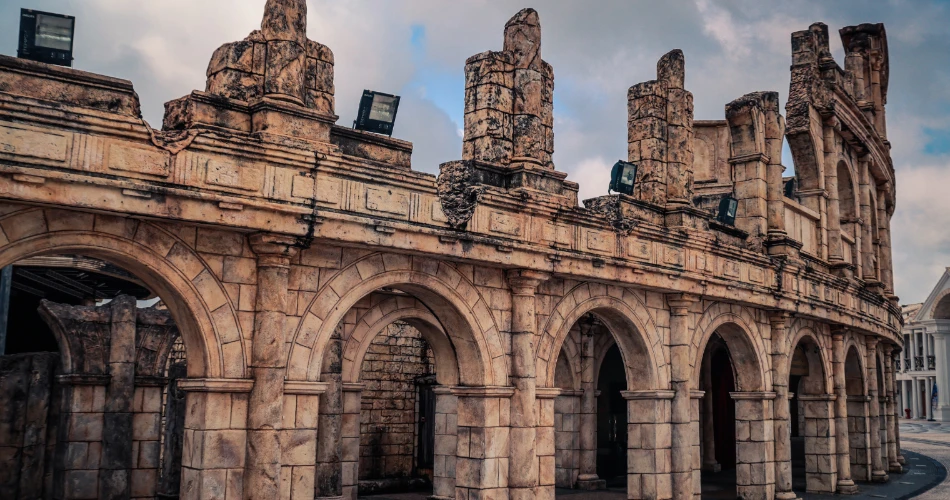
The Fort area gets its name from the old fortifications built by the British East India Company in the 18th century. Once enclosed by high walls and guarded by gates, this area served as the center of colonial administration, trade, and commerce. Though the fort walls were eventually torn down in the 1860s, the district retained its colonial planning and architecture.
Walking here feels like stepping into a living museum. The streets are lined with buildings influenced by Victorian Gothic, Indo-Saracenic, and Neoclassical architecture. These structures housed banks, courts, and offices that once governed not just Bombay but much of British India’s commercial activity.
Today, the Fort area is a heritage hub with landmarks like Flora Fountain, St. Thomas Cathedral, Asiatic Library, and Horniman Circle that tell stories of a bygone era. The charm lies not only in grand monuments but also in intricate details—stone-carved facades, old lamp posts, and cobblestone-like pavements that whisper tales of the past.
Architectural Marvels That Define the Colonial Charm of Mumbai’s Fort District
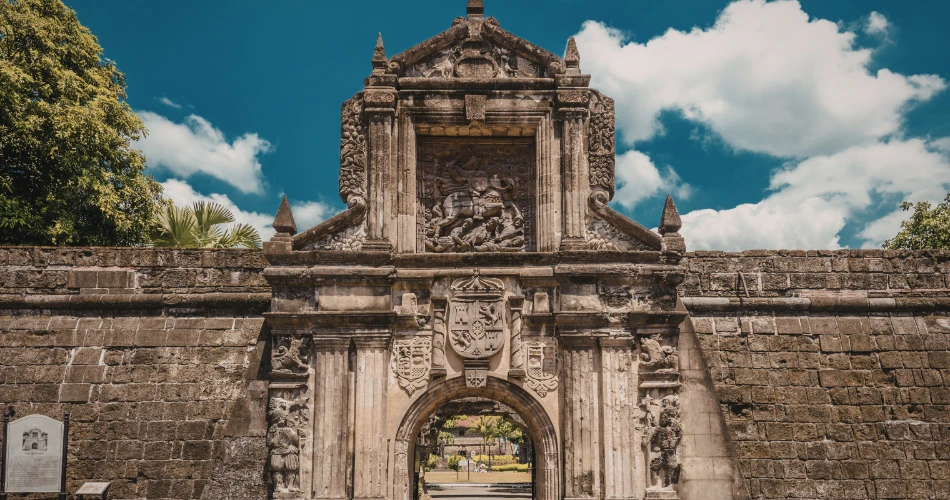
The Fort area is often called an open-air architecture gallery, where styles from different centuries and rulers blend together. A heritage walk here introduces you to some of Mumbai’s most iconic structures:
-
Flora Fountain (Hutatma Chowk): Built in 1864, this fountain is one of Mumbai’s most photographed landmarks, blending Roman, Gothic, and Renaissance styles.
-
St. Thomas Cathedral: The oldest Anglican church in Mumbai (1718), known for its whitewashed walls and colonial gravestones.
-
Asiatic Library: A neoclassical gem with Greek columns, housing one of the oldest collections of rare books.
-
Elphinstone College & David Sassoon Library: Perfect examples of Gothic Revival architecture.
What makes Fort unique is how these buildings were adapted to suit Mumbai’s tropical climate—large windows, high ceilings, and verandas ensured ventilation and durability. These architectural details still inspire awe, reminding us of the craftsmanship and vision of colonial architects.
Experiencing Culture and History Through Mumbai’s Fort Heritage Walk Tours
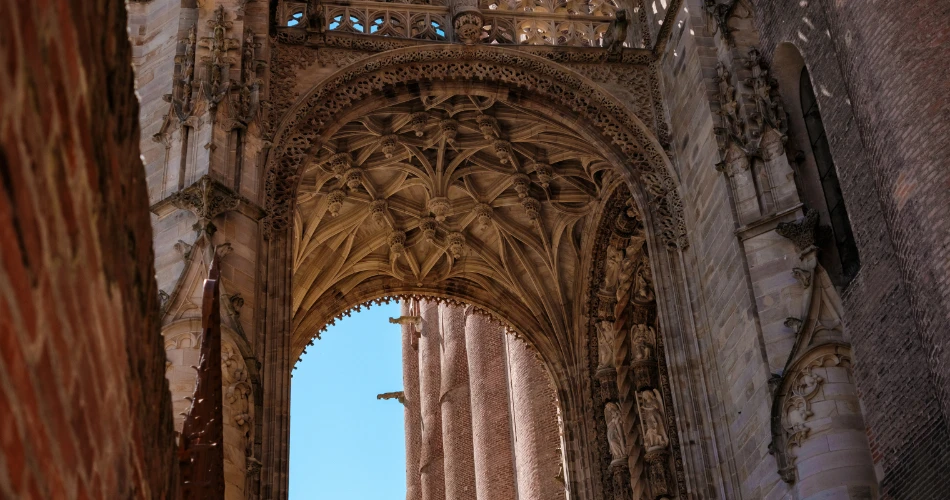
Heritage walks in Fort are not just about buildings; they are about experiences. Walking tours often include:
-
Stories of the East India Company: Guides narrate how the British established Bombay as a thriving port city.
-
Art and Literature Highlights: Visits to libraries and galleries like Jehangir Art Gallery or the Asiatic Library.
-
Hidden Gems: Old cafes, forgotten statues, and narrow lanes that are easy to miss without a guided tour.
-
Cultural Landmarks: Horniman Circle gardens, once a colonial park, remain a serene spot in the heart of the city.
These walks often end at Kala Ghoda, Mumbai’s art district, blending heritage with creativity. Participating in such tours offers a deeper understanding of Mumbai’s layered history while supporting cultural preservation efforts.

Iconic Landmarks of the Fort Area That Define Its Timeless Colonial Charm
The Fort district is filled with landmarks, each with its own significance:
-
Rajabai Clock Tower: Inspired by London’s Big Ben, it stands tall in the University of Mumbai complex.
-
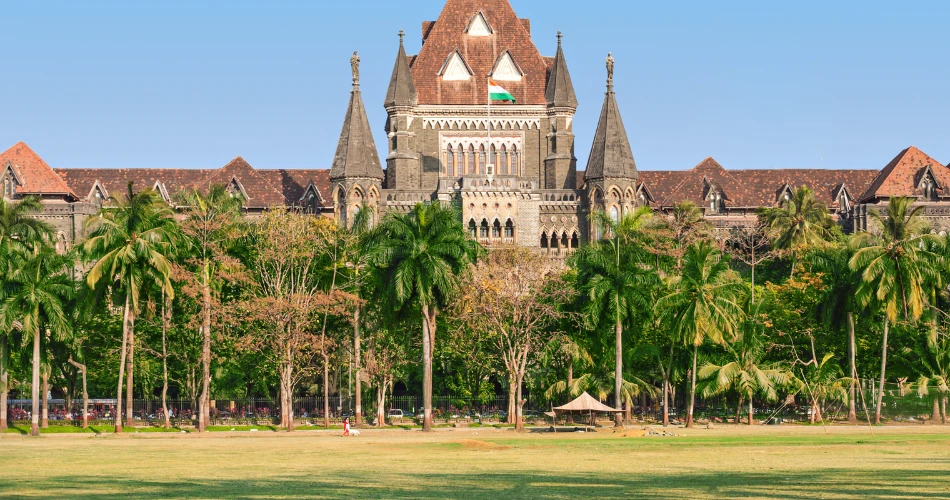
Bombay High Court: A Gothic masterpiece with turrets and spires, still functional today.
-
Horniman Circle: Surrounded by grand colonnaded buildings, this circular park is the social and architectural heart of Fort.
-
Reserve Bank of India Building: A striking structure symbolizing Mumbai’s role as the financial capital of India.
Each of these landmarks reflects the colonial ambition to create a city of grandeur and permanence. Even as modern offices and cafes occupy these spaces, the essence of colonial Mumbai lingers in their walls.
Blending Past and Present: Modern Life Amidst Colonial-Era Fort Architecture
What makes the Fort area so fascinating is its ability to blend the past with the present. On one hand, you see colonial facades, Gothic towers, and age-old cathedrals; on the other, you find buzzing cafes, boutique stores, and corporate offices.
The Kala Ghoda precinct especially represents this mix. Its colonial-era buildings now house art galleries, bookshops, and contemporary cafes, creating a lively cultural district. Similarly, Fort’s old banks and offices still function as financial institutions, maintaining Mumbai’s identity as India’s economic powerhouse.
This coexistence of heritage and modernity is what makes a heritage walk through Fort so unique. You’re not just revisiting the past—you’re witnessing how history continues to influence the city’s character today.

Planning Your Own Heritage Walk in Mumbai’s Fort Area for an Enriching Experience
If you’re planning to explore the Fort area, here are a few tips:
-
Join a Guided Tour: Professional guides provide fascinating insights into history and architecture.
-
Wear Comfortable Shoes: Fort is best explored on foot, and you’ll be walking quite a bit.
-
Start Early: Mornings are cooler and less crowded.
-
Don’t Miss Hidden Corners: Beyond main attractions, explore alleys with old signage, courtyards, and forgotten statues.
-
Photography Tips: Early light enhances the architectural details beautifully.
A self-guided walk is also possible, but having a map or an app with heritage routes helps you maximize the experience. Whether you’re a tourist or a local, dedicating half a day to exploring Fort will leave you with stories, photographs, and memories that last a lifetime.

Conclusion: Why Heritage Walks in Mumbai’s Fort District Are a Journey Into the City’s Soul
The heritage walks through Fort area are not just about history; they are about understanding Mumbai’s essence. This district represents the city’s colonial past, cultural richness, and architectural grandeur, all woven together in its bustling streets.
Every step through Fort is a reminder that Mumbai is not just a modern metropolis—it is also a city of stories, resilience, and heritage. For anyone seeking to explore Mumbai beyond beaches and Bollywood, a heritage walk here is the perfect way to connect with the city’s soul.