

مقدمة: دارافي – وراء التسميات، إلى قلب مومباي النابض
عندما يسمع معظم الناس كلمة دارافي، يفكرون في أكبر أحياء الصفيح في آسيا. ومع ذلك، وراء هذه التسمية التي تُفهم بشكل خاطئ يكمن عالم مليء بالألوان والإبداع والمجتمع. تقع دارافي في قلب مومباي، وهي ليست مجرد منطقة سكنية كثيفة - بل هي نظام بيئي نابض بالحياة من رواد الأعمال والحرفيين والحالمين الذين أنشأوا اقتصاداً صغيراً مزدهراً من المرونة والموارد.
كل زقاق ضيق يروي قصة. من ورش الفخار وورش الجلود إلى وحدات صبغ النسيج واستوديوهات الفن المعاد تدويره، تنبض دارافي بالابتكار الذي يحدد الروح الحقيقية لمومباي. استكشاف فنون وحرف وثقافة دارافي يعني اكتشاف كيف يمكن للجمال والإبداع أن يظهرا حتى في أكثر الأماكن غير المتوقعة.
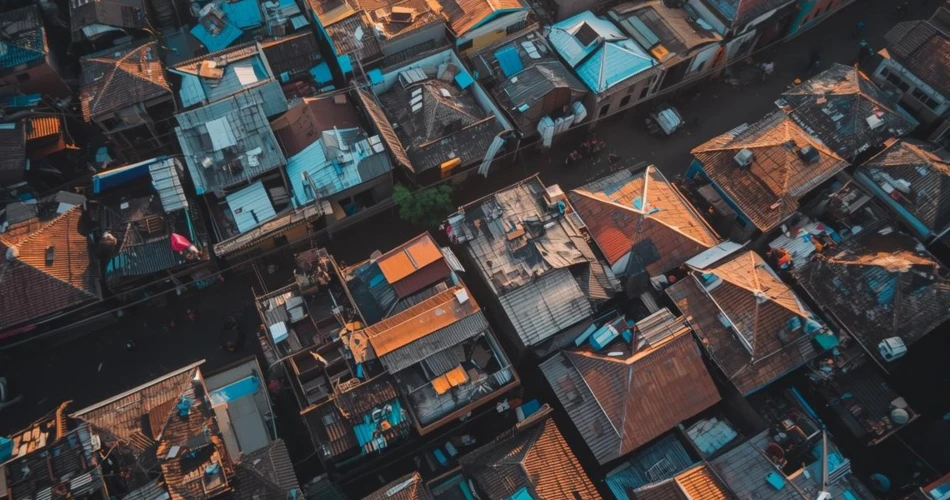
نبض الفن في دارافي: حيث تتنفس الإبداع من خلال كل جدار وورشة عمل
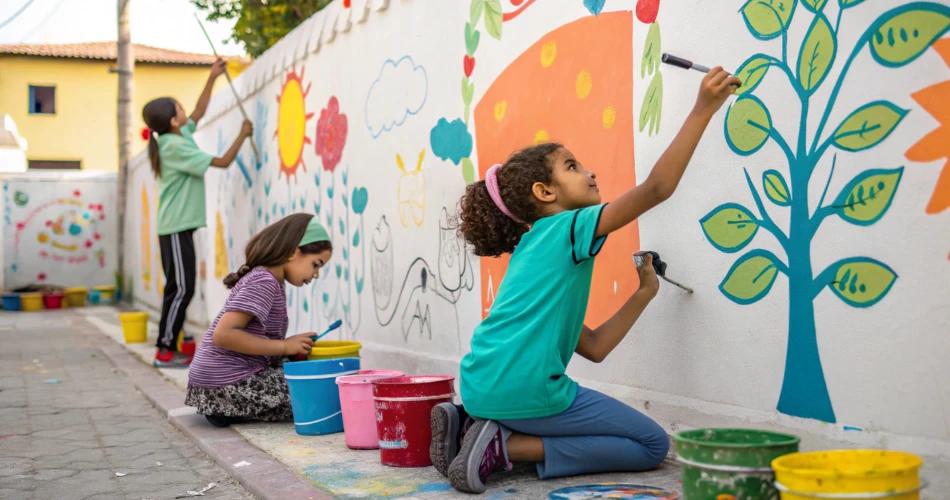
دارافي ليست قصة واحدة - إنها آلاف التعبيرات الإبداعية المنسوجة معًا. هنا، يزدهر الفن بطرق غير تقليدية. من الرسامين الصغار الذين يزينون الجدران المعدنية بالجداريات إلى المجموعات الفنية المدفوعة بالمجتمع التي تحول المواد المهملة إلى تحف فنية، فإن الطاقة الفنية في دارافي لا مثيل لها.
مجموعات مثل "غرفة فن دارافي" تمكّن الأطفال والنساء من خلال الإبداع، وتعليمهم التعبير عن الذات والثقة من خلال الألوان والقماش. وبالمثل، يستخدم الفنانون المحليون في الشوارع الكتابة على الجدران لنقل الرسائل الاجتماعية، مما يمنح دارافي هوية بصرية مميزة تنافس أي منطقة فنية حضرية.
كل زيارة هنا تكشف عن شكل فني جديد - تماثيل طينية تجف تحت الشمس، لافتات مرسومة باليد فوق الأزقة الضيقة، أو جداريات تعكس الأحلام والصراعات والأمل. هذا الفن الخام وغير المصفى ليس للمعارض؛ إنه للشوارع، للناس، لروح مومباي.
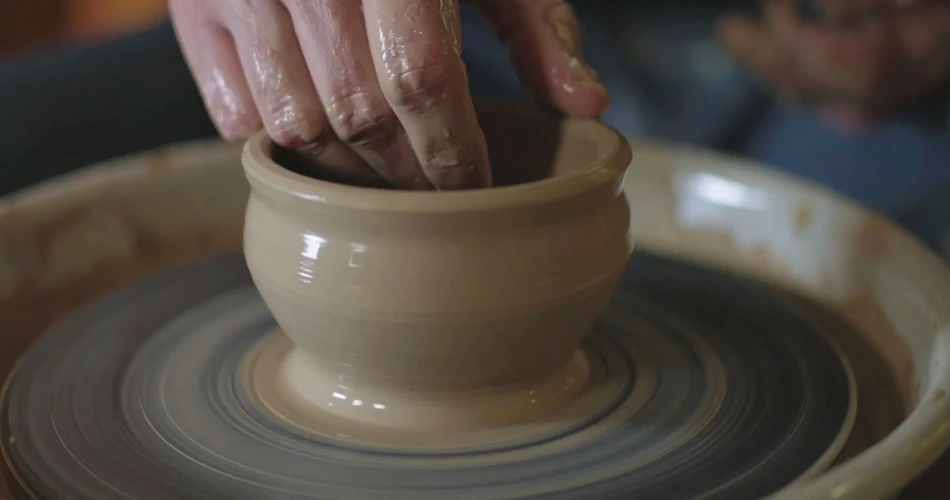
تميز مصنوع يدويًا: كيف يشكل حرفيو دارافي صناعة الحرف المخفية في مومباي
ادخل إلى الأزقة الضيقة في دارافي، وستسمع الصوت الإيقاعي للمطارق وآلات الخياطة وأسطوانات الفخار. المنطقة تضم أكثر من 10,000 صناعة صغيرة، العديد منها متخصص في السلع المصنوعة يدويًا مثل الحقائب الجلدية، والأواني الطينية، والمجوهرات، والمنسوجات.
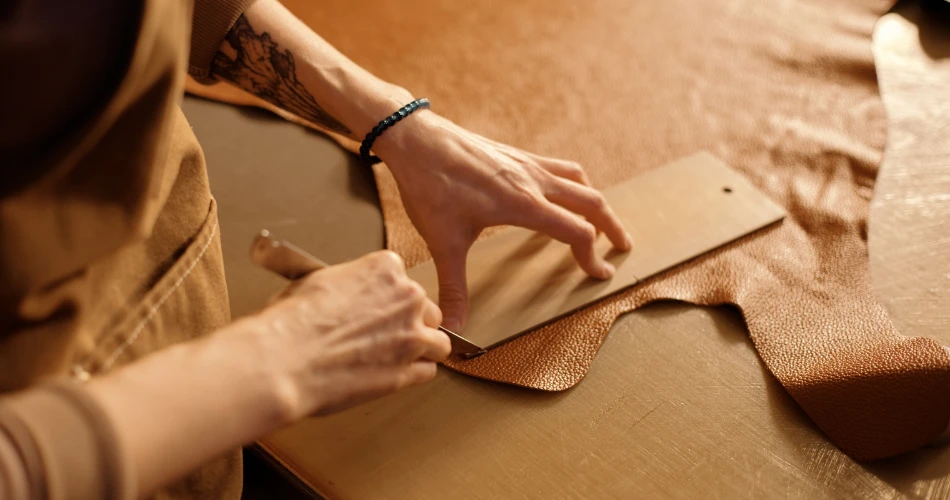
تنتج ورش العمل الجلدية في دارافي حقائب وإكسسوارات بجودة تصدير تصل إلى الأسواق الدولية. مستعمرة الفخار، كُمبهاروادا، هي واحدة من أقدم المستعمرات في مومباي، حيث يصنع الحرفيون الأواني الطينية التقليدية باستخدام تقنيات تم تمريرها عبر الأجيال. كل قطعة مصنوعة يدويًا هنا تحمل قصة اللمسة الإنسانية والصبر والفخر.
هذه الحرف ليست مجرد تعبير فني ولكنها أيضًا شريان حياة لآلاف العائلات. وغالبًا ما يجد الزوار أن حرفيي دارافي يعيدون تعريف الفخامة - ليس بالعلامات التجارية، ولكن بالأصالة.
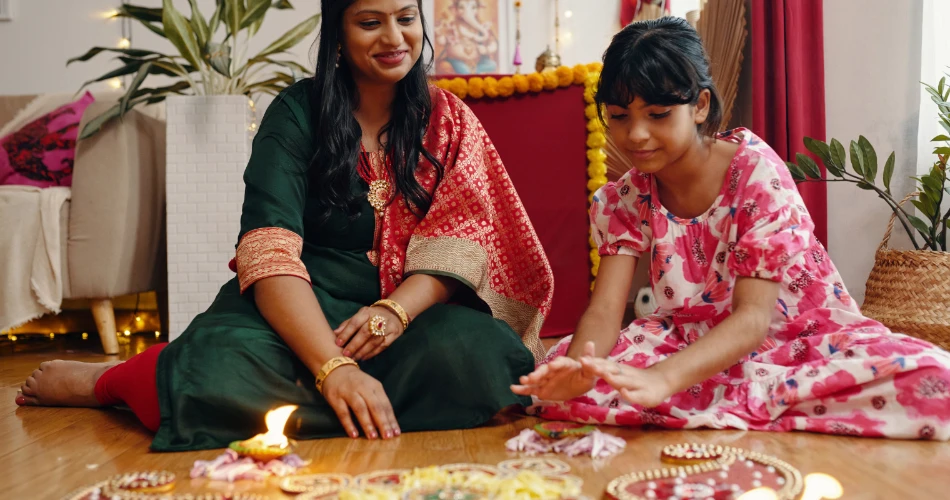
ثقافة المرونة: كيف تعيد مجتمع دارافي تعريف الحياة الحضرية
نسيج دارافي الثقافي متنوع مثل الهند نفسها. يعيش هنا أشخاص من تاميل نادو، غوجارات، أوتار براديش، ومناطق أخرى معاً، جالبين معهم طعامهم، واحتفالاتهم، ولغاتهم. النتيجة؟ نسخة مصغرة من الهند ضمن بضع كيلومترات مربعة.
التناغم الثقافي هنا ليس مجرد مفهوم—بل هو تجربة حية. خلال احتفالات مثل ديwali، عيد الأضحى، وغانيش تشاتورثي، تتلألأ أزقة دارافي بالضحكات المشتركة، والزينة، والموسيقى. يحتفل السكان معاً، مثبتين أن المجتمع يزدهر بقوة أكبر من أي انقسام اجتماعي.
إنها هذه الوحدة والهوية المشتركة التي تعطي دارافي نبضها الفريد—مثال حي على كيف يمكن للناس خلق الجمال، والسلام، والازدهار حتى في وسط الشدائد.
إعادة التدوير والاستدامة: تحويل النفايات إلى فن وفرصة في دارافي
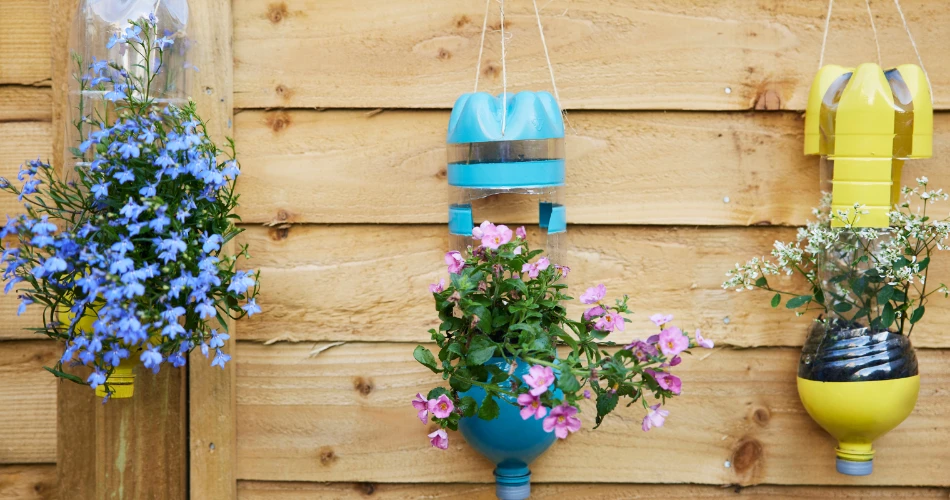
دارافي هي واحدة من أكثر مراكز إعادة التدوير كفاءة في العالم، حيث تعالج أكثر من 80% من نفايات البلاستيك في مومباي. ما قد يبدو فوضى بالنسبة للغرباء هو، في الواقع، اقتصاد ميكروي منظم ومستدام.
تقوم وحدات إعادة التدوير هنا بفرز وتنظيف وإعادة استخدام المواد النفايات لتحويلها إلى سلع قابلة للاستخدام - مما يوضح مبادئ الاقتصاد الدائري قبل أن يصبح المصطلح شائعًا. لقد تعاون العديد من الفنانين والمصممين مع مُعيدي تدوير دارافي لإنشاء تركيبات فنية صديقة للبيئة، وأثاث، وإكسسوارات أزياء من مواد مهملة.
لا تدعم هذه الممارسة الاستدامة البيئية فحسب، بل توفر أيضًا دخلاً ثابتًا لآلاف العمال، العديد منهم رواد أعمال تعلموا بأنفسهم كيفية تحويل النفايات إلى ثروة.
من الفخار إلى الجلد: حرفية دارافي كمحرك اقتصادي غير مرئي في مومباي
خلف بريق مومباي العالمي يكمن الإسهام غير المرئي لحرفيي دارافي. تنتج ورش العمل الصغيرة في المجتمع سلعًا تتجاوز قيمتها مليار دولار سنويًا، حيث تزود السوق بكل شيء من جاكيتات الجلد إلى المصابيح الخزفية في جميع أنحاء الهند وخارجها.
غالبًا ما تكون هذه الصناعات تديرها العائلات، حيث يتم نقل المهارات عبر الأجيال. تستمر مجتمع الكومبهار في إنتاج المصابيح الطينية خلال موسم ديوالي، بينما يقوم حرفيو الجلد بالابتكار بتصاميم معاصرة.
تقدم زيارة دارافي نظرة على كيفية دعم ريادة الأعمال الصغيرة والإبداع لأحد أكثر الاقتصاديات غير الرسمية إنتاجية في العالم—مُثبتةً أن الابتكار لا يتطلب الرفاهية، بل العزيمة فقط.
تجربة دارافي من خلال السياحة المسؤولة والمشاركة المجتمعية
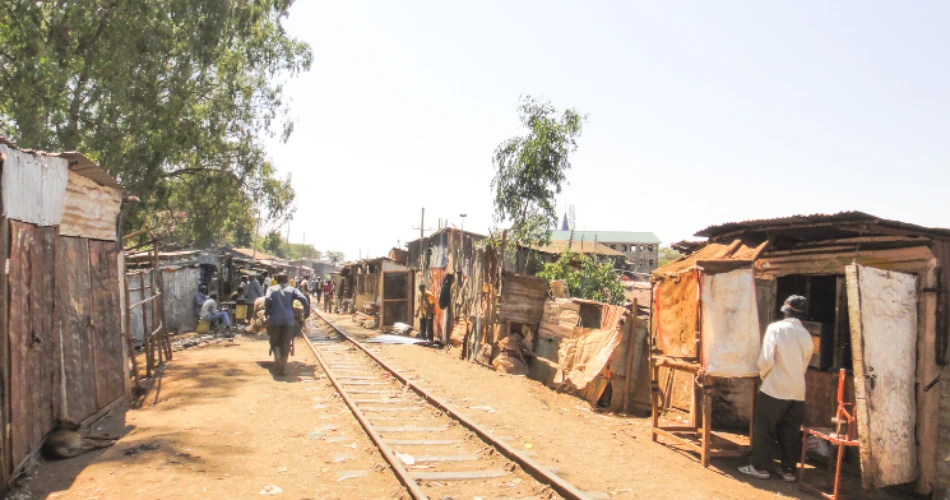
على مر السنين، أصبحت جولات دارافي وسيلة لتقريب الفهم بين السكان المحليين والزوار. يقوم مشغلو الجولات الأخلاقية مثل Reality Tours & Travel بتنظيم جولات موجهة تركز على التعليم والاحترام وتمكين المجتمع بدلاً من التلصص على الفقر.
تسمح هذه التجارب للمسافرين برؤية استوديوهات الفن في دارافي، ومراكز إعادة التدوير، وأكشاك الطعام عن قرب، بينما يساهمون مباشرة في تطوير المجتمع. يمكن للسياح التفاعل مع الحرفيين، وشراء الحرف اليدوية، وشهدوا كيف تغذي الإبداع الحياة اليومية.
السياحة المسؤولة هنا ليست عن التعاطف—بل هي عن الاحتفال بعبقرية الإنسان ودعم سبل العيش المستدامة من خلال التبادل الثقافي.
الخاتمة: دارافي - اللوحة الحية لروح مومباي الحقيقية
دارافي ليست قصة فقر—إنها قصة إمكانيات. إنها اللوحة الحية لمومباي، حيث تمتزج الفن والثقافة والحرف بسلاسة مع المرونة والابتكار. كل جدار مُلوّن، وكل وعاء مُشكل، وكل منتج مُعاد تدويره يتحدث عن مجتمع يرفض أن يُعرّف بالقيود.
استكشاف دارافي هو أكثر من مجرد مشاهدة المعالم—إنه تعليم في الإبداع والاستدامة والوحدة. إنه يتحدى التصورات ويدعوك لرؤية الجمال في النقص، والفن في البقاء، والإنسانية في كل زاوية.